TRAPPIST-1
Seven Earth-sized rocky worlds orbiting an ultracool red dwarf. Three sit in the habitable zone.
Solar System
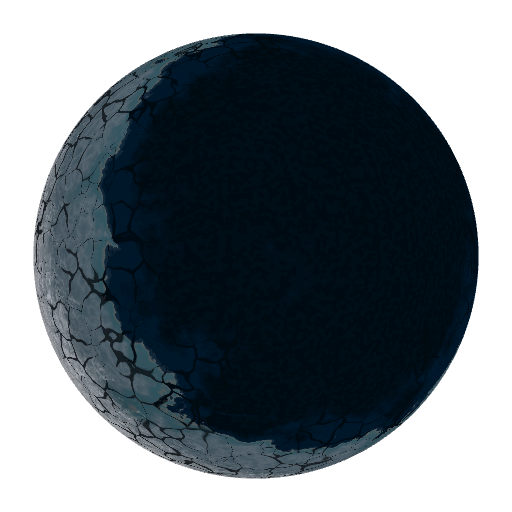
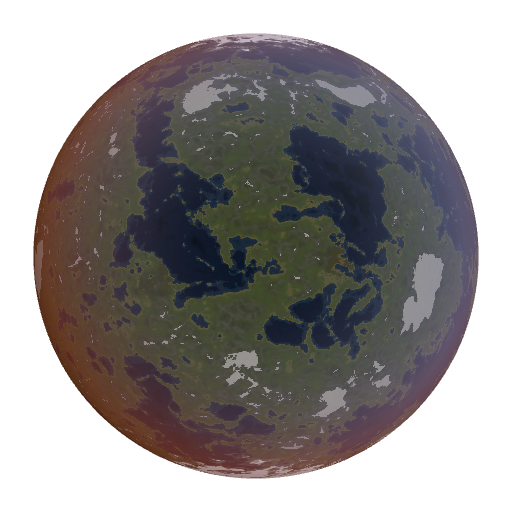
Our home system. Eight planets from scorching Mercury to icy Neptune.
Alpha Centauri
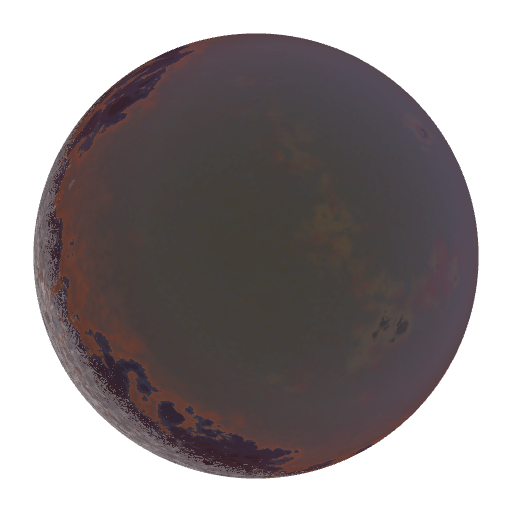
The nearest star system to the Sun. Proxima b sits in the habitable zone, just 4.2 light-years away.
51 Pegasi
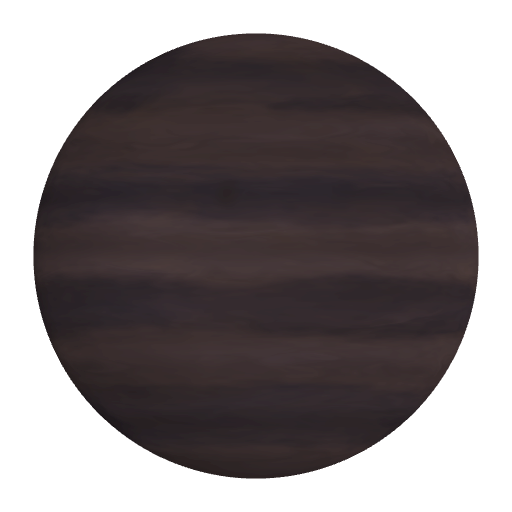
First exoplanet discovered around a Sun-like star. A hot Jupiter with a 4-day orbit.
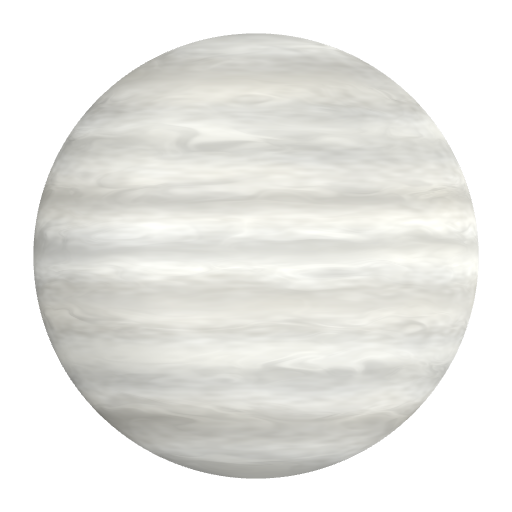
Kepler-16
A circumbinary planet orbiting two stars — like Tatooine from Star Wars.
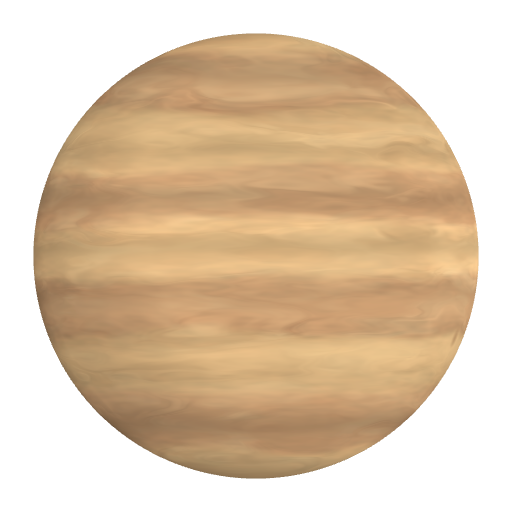
HD 209458
Home to the first transiting exoplanet and the first with a confirmed atmosphere.
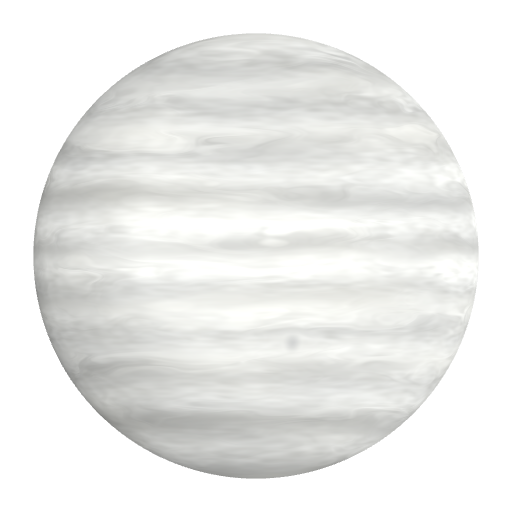
Kepler-90
An 8-planet system rivalling our Solar System in count. Discovered with AI.
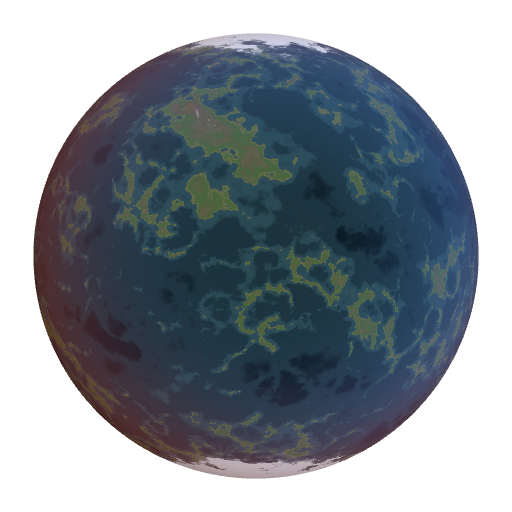
Kepler-442
One of the most Earth-like planets found — rocky, in the habitable zone of a K-type star.
HR 8799
Four massive gas giants directly imaged orbiting a young star — a real photograph of a planetary system.
55 Cancri
Five planets including a super-Earth that may be a carbon world with a diamond interior.
HD 189733
A hot Jupiter with deep blue colour from silicate rain. Winds over 8,000 km/h.
WASP-12
An ultra-hot Jupiter being slowly devoured by its star. One of the darkest planets known.
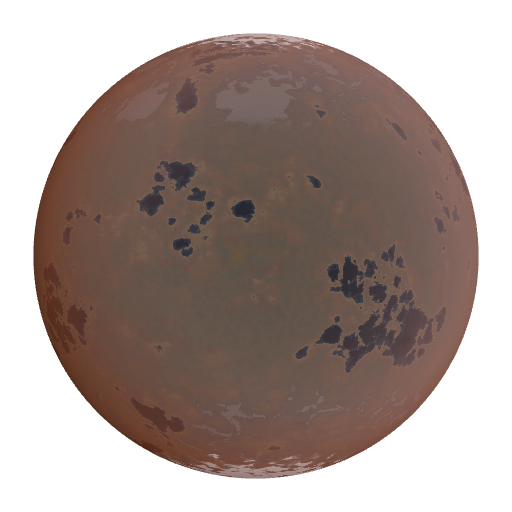
TOI-700
TESS-discovered system with an Earth-sized planet in the habitable zone of a cool M dwarf.
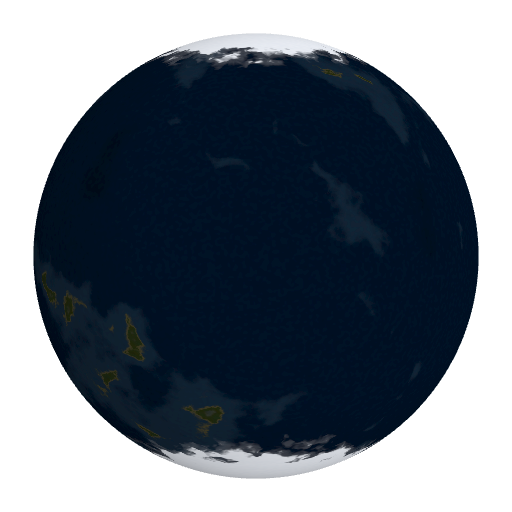
Kepler-11
Six tightly packed low-density planets, including probable water worlds. A benchmark compact system.
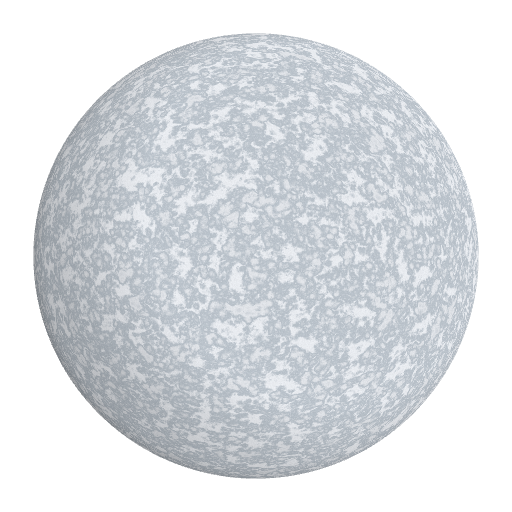
Kepler-186
First Earth-sized planet found in the habitable zone of another star.
Gliese 667 C
Up to seven planets around a red dwarf, with three potentially in the habitable zone.

PSR 1257+12
The very first exoplanets ever confirmed, orbiting a pulsar. Discovered in 1992.
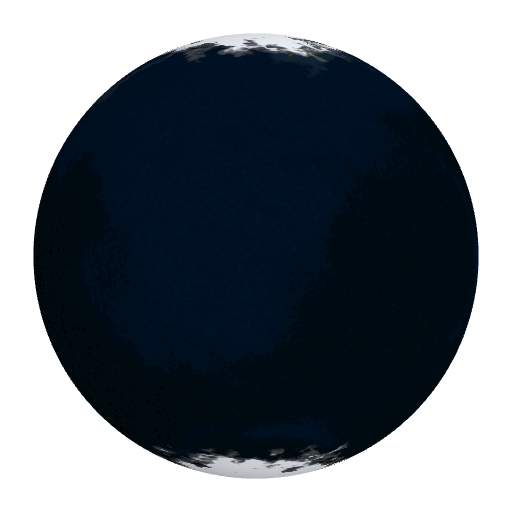
TOI-178
A 6-planet resonant chain with two likely water worlds. A laboratory for planetary formation.
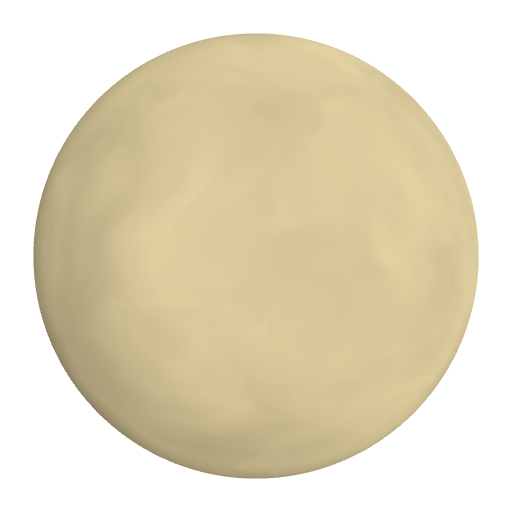
Kepler-452
Hosts 'Earth's cousin' — a near-Earth-sized planet in the habitable zone of a Sun-like star.
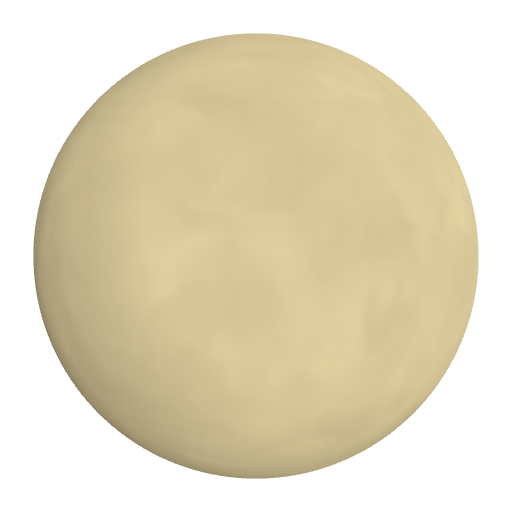
Tau Ceti
A nearby Sun-like star with multiple planet candidates. A staple of science fiction.
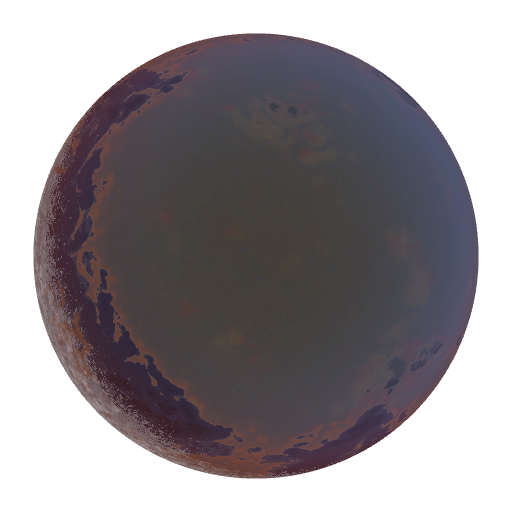
Gliese 581
A red dwarf system with multiple planets, including early habitable zone candidates.